
Utilizing honey bee swarm trap plans PDFs significantly simplifies the construction process. These detailed guides outline essential information, like precise trap size and material specifications, empowering individuals to easily build effective devices for catching wild honeybees, ensuring a successful and straightforward project.
Simplifying Swarm Trap Construction
Using honey bee swarm trap plans PDFs significantly simplifies the entire construction process, making it highly accessible for both experienced woodworkers and novices. These comprehensive guides eliminate guesswork by outlining essential details like precise trap size and specifying the exact type and quantity of materials needed. For instance, free plans such as “Swarm Trap Lite” offer clear, step-by-step instructions and readily available blueprints, streamlining the assembly of an effective trap. Many plans, including those detailing the 30-liter Bushkill swarm trap, provide meticulous cut lists and dimensions for every piece, from plywood panels to 2x2s, ensuring accurate cuts and efficient material usage. A notable example illustrates how to make three swarm traps from a single 4×8 sheet of half-inch plywood, complete with an optimized cut list layout to minimize waste. The availability of USDA-referenced and updated cutlist PDFs further enhances the ease and reliability of building these traps. These detailed documents transform a potentially complex project into a manageable task, enabling builders to construct sturdy and functional swarm traps with confidence and precision, reducing errors and saving time.
Purpose: Catching Wild Honeybees
The fundamental purpose behind utilizing swarm trap plans PDFs is to efficiently facilitate the capture of wild honeybees. These meticulously crafted guides enable beekeepers to construct devices specifically designed to attract and house swarming bee colonies. By following plans like those for the 30-liter Bushkill trap or USDA-referenced designs, individuals can build structures that mimic the natural cavities scout bees seek for new homes. This strategic construction, often involving inexpensive plywood, creates an enticing temporary dwelling. Once completed, the swarm trap can be strategically hung from a tree, providing a safe and appealing location for migrating honeybees to settle. This method serves as an ethical and sustainable way to acquire new bee colonies, preventing them from establishing nests in unwanted locations such as residential structures. The detailed specifications within these PDF plans ensure the trap possesses the optimal dimensions and features required to maximize its attractiveness to swarms, thereby increasing the likelihood of successful capture and subsequent relocation into a permanent hive, bolstering local bee populations.

Materials and Tools for Swarm Trap Construction
Building swarm traps typically requires exterior plywood, specific lumber components like 2x2s, and an old Langstroth deep hive body. Essential items also include aluminum flashing for tops, wood glue (e.g., Titebond III), and basic hand tools such as a hammer, as detailed in various plans.
Plywood: Types and Efficient Usage (e.g., 4×8 Sheet for Multiple Traps)
For swarm trap construction, selecting the right type of plywood is crucial for durability and cost-effectiveness. Exterior grade plywood, often specified as 48 x 96 x ½ inch thick standard sheet, is highly recommended due to its resistance to outdoor elements, ensuring your traps withstand various weather conditions. Utilizing a single 4×8 foot (48×96 inch) sheet of this material offers significant efficiency. Many popular swarm trap plans, including those referenced for building simple designs, demonstrate how to maximize a single sheet to create multiple traps. For instance, detailed cut lists illustrate the precise cuts necessary to make three complete swarm traps from one standard 4×8 sheet of half-inch exterior plywood. This strategic approach not only minimizes material waste but also reduces overall construction costs, making the project more accessible for beekeepers. When following comprehensive cut lists and dimensions provided in PDFs, builders can precisely mark and cut components, optimizing every inch of the plywood. This method ensures that even inexpensive plywood can be transformed into robust and functional swarm traps, providing an economical solution for catching wild honeybees. The emphasis on efficient cutting from a standard sheet is a hallmark of well-designed plans, streamlining the building process for hobbyists and experienced carpenters alike.
Specific Lumber Components (e.g., 2x2s for Hive Body)
Specific lumber components are fundamental to constructing a sturdy and functional swarm trap, providing the necessary framework and structural integrity. Among these, 2x2s play a vital role, particularly in forming the core of the hive body. For instance, many plans specify using four 2x2s, precisely cut to 9-5/8 inches long. These pieces are essential for reinforcing the corners or edges of the trap, ensuring it can withstand environmental stressors and support the internal components, such as frames for bee habitation. When combined with plywood panels, these 2x2s create a robust box structure that mimics a natural hive environment. The precision in cutting these lumber components, as detailed in comprehensive cut lists from swarm trap plans PDFs, is paramount. Incorrect dimensions for these structural pieces can compromise the trap’s stability and overall effectiveness in attracting and housing a wild honeybee swarm. The 2x2s contribute significantly to the overall durability, preventing warping or collapse, and ensuring your trap remains a safe and attractive dwelling for any incoming swarms. Their strategic placement defines the internal volume, crucial for a 30-liter Bushkill-style trap, and supports the attachment of other materials like plywood and flashing. Adhering to these specific lumber requirements ensures the finished trap is structurally sound and ready for optimal placement.
Langstroth Deep Hive Body as Base
Utilizing a Langstroth deep hive body as the foundational base for a swarm trap offers a significant advantage in simplicity and effectiveness. Often, an “old ratty” Langstroth deep, typically measuring 9-5/8 inches in height, is repurposed for this critical component. This provides an immediate, pre-sized cavity that closely mimics the natural nesting preferences of honeybee swarms, making the trap highly appealing. By starting with an existing hive body, builders bypass the need to construct a large portion of the trap from scratch, saving considerable time and materials. This base serves as the main chamber, providing the essential internal volume necessary for a successful swarm capture, aligning with the recommended capacities for effective traps, such as the 30-liter Bushkill design. Its robust structure forms a reliable foundation upon which other components, like plywood sides and a lid, can be securely attached. The inherent scent from an older hive body can also act as an additional attractant, subtly signaling to scout bees that this location is a viable and previously inhabited dwelling. This approach streamlines the construction process, making it more accessible for beekeepers looking to create durable and attractive swarm traps with minimal effort.
Aluminum Flashing for Trap Tops
Aluminum flashing is a vital component for ensuring the longevity and weather resistance of swarm trap tops. It forms an impenetrable barrier against rain, snow, and damaging UV radiation, significantly extending the operational life of the wooden trap structure. Specifically, 14-inch wide aluminum flashing is the recommended material for this application. A single 25-foot roll of this flashing proves exceptionally efficient, providing ample material to cover the tops of approximately 13 individual swarm traps. This makes it an economical choice for beekeepers constructing multiple units for deployment. The flashing is meticulously cut to size and skillfully bent over the top edges of the trap, creating a robust, waterproof seal that effectively prevents moisture intrusion into the interior. This critical protection is paramount for preserving the structural integrity of the trap across numerous seasons, especially when traps are continuously exposed to outdoor elements. Proper fastening, typically with small nails or staples, ensures a tight fit, eliminating potential water entry points. Its inherent reflectivity helps regulate internal temperatures, preventing overheating that could deter potential swarms. This material is indispensable for creating durable and attractive traps, offering maximum protection.

Adhesives: Wood Glue (e.g., Titebond III)
Wood glue is a fundamental adhesive for constructing durable swarm traps, ensuring the structural integrity of all wooden components. For outdoor applications like swarm traps, which are exposed to varying weather conditions, selecting a high-quality, waterproof wood glue is paramount. Titebond III Ultimate Wood Glue is an excellent example and a highly recommended choice among beekeepers and woodworkers alike. Its formulation provides superior strength, incredible water resistance, and extended open assembly time, beneficial for precise alignment during construction. This makes it ideal for securing plywood panels, lumber components, and other wooden joints, creating a robust, long-lasting trap. An 8-ounce bottle of Titebond III is typically more than sufficient for assembling multiple swarm traps. This quantity offers ample adhesive for all necessary joints, preventing multiple purchases and ensuring a smooth, continuous building process. The glue dries to a light tan color, blending well with natural wood, and can be sanded, painted, or stained after curing. Its reliability ensures the finished swarm trap can withstand environmental stresses and remain structurally sound for many seasons of successful bee capturing.
Basic Hand Tools (e.g., Hammer)
Basic hand tools are indispensable for the successful construction of swarm traps, even with the availability of detailed PDF plans. A hammer, for instance, is one of the most fundamental instruments, essential for fastening components together using nails. Whether you are attaching plywood panels to a frame or securing a base, a reliable hammer ensures strong, secure connections. Beyond just a hammer, other basic hand tools significantly streamline the building process. A tape measure is critical for accurate dimensioning and following the comprehensive cut lists provided in plans like the Bushkill Swarm Trap or USDA-referenced designs. A pencil or marker is necessary for transferring measurements and marking cut lines on plywood and lumber. A handsaw or a simple utility knife can be used for minor adjustments or scoring, though for primary cuts, power tools are often preferred. A square helps ensure all corners are true and perpendicular, vital for a structurally sound trap. Lastly, a screwdriver set, either Phillips or or flathead, will be needed for any screws used, particularly for attaching hardware like hinges or latches if the design incorporates them. These basic tools, readily available and straightforward to use, empower builders to construct sturdy and effective swarm traps, adhering to the specifications outlined in the plans. Their simplicity belies their importance in achieving a well-built trap capable of housing a new honeybee colony.

Key Features of Swarm Trap Plans and Designs
Swarm trap plans offer free options like Swarm Trap Lite, featuring comprehensive cut lists and precise dimensions. Instructions for the 30-liter Bushkill Swarm Trap are available, including USDA-referenced and updated cutlist PDFs, simplifying construction for multiple traps from a single plywood sheet.
Availability of Free Plans (e.g., Swarm Trap Lite)
The availability of free swarm trap plans, such as the widely referenced “Swarm Trap Lite,” empowers beekeepers and enthusiasts to construct their own effective traps without financial barriers. These accessible resources often come in PDF format, offering comprehensive guidance, detailed schematics, and precise cut lists crucial for successful construction. Many plans are designed for efficiency, demonstrating how to yield multiple traps, such as three, from a single 4×8 sheet of half-inch plywood, maximizing material usage and reducing costs. Furthermore, some free plans incorporate USDA-referenced or updated cutlists, ensuring adherence to established best practices and enhancing the trap’s effectiveness. These detailed documents often include instructions not just for general construction but specifically for designs like the 30-liter Bushkill Swarm Trap, outlining all necessary dimensions and materials. The provision of these free plans significantly democratizes access to beekeeping tools, fostering wider participation in honeybee conservation.

Comprehensive Cut Lists and Dimensions
Comprehensive cut lists and precise dimensions are paramount elements within effective swarm trap plans, particularly those distributed in PDF format. These vital sections meticulously detail every component required, transforming complex construction into a manageable process. For instance, instructions for the 30-liter Bushkill Swarm Trap explicitly provide all necessary dimensions for each piece, alongside a thorough list of materials needed. Furthermore, many updated cut lists, often USDA-referenced, demonstrate highly efficient material utilization. A prime example illustrates how to make three complete traps from a single 4×8 x ½ inch standard sheet of exterior plywood, thanks to intelligently designed cut list layouts. These comprehensive documents leave no guesswork, specifying exact measurements for plywood panels, specific lumber components like 2x2s for hive bodies, and even the necessary aluminum flashing for trap tops. The clarity and accuracy of these dimensions ensure all parts fit correctly, minimizing waste and guaranteeing the structural integrity and functional effectiveness of the finished swarm trap for attracting wild honeybees.
Bushkill Swarm Trap (30 Liter) Instructions

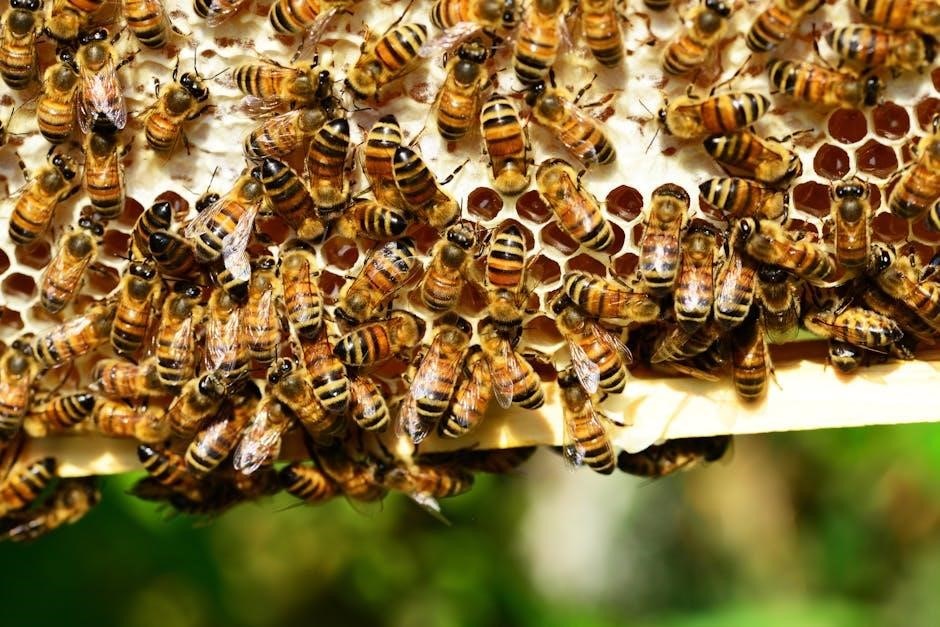
The Bushkill Swarm Trap, specifically designed for a 30-liter capacity, is a widely referenced model in the world of beekeeping, offering clear instructions for successful construction. These detailed plans, often available in PDF format, are invaluable for enthusiasts looking to effectively capture wild honeybee swarms. The documents meticulously outline every step, from preparing raw materials to final assembly. Key to its construction are precise dimensions for each component, ensuring that the trap meets the optimal volume recognized for attracting swarms. Users will find comprehensive lists of materials, typically including plywood, specific lumber, and often an old Langstroth deep hive body as a foundational element. The instructions guide the builder through cutting, joining, and finishing processes, emphasizing the importance of sturdy construction. Adhesives like Titebond III wood glue are frequently recommended for durable joints, while aluminum flashing is specified for weatherproofing the trap tops. Following these explicit Bushkill plans ensures that the finished trap is not only structurally sound but also perfectly sized and equipped to serve its purpose effectively, providing a welcoming temporary home for migrating bee colonies. The focus remains on detailed, step-by-step guidance for this particular 30-liter design.
USDA-Referenced and Updated Cutlist PDFs
The availability of USDA-referenced and updated cutlist PDFs offers a significant advantage for efficient swarm trap construction. These essential documents provide precise measurements and layouts, crucial for maximizing material usage and ensuring proper trap dimensions. For instance, an updated cutlist from February 27, 2022, explicitly includes attachments like a “3 x Swarm Trap.pdf” file, detailing how to build multiple units. This efficiency is further highlighted by plans from February 23, 2018, which clearly illustrate cuts necessary to make three swarm traps from a single 4×8 sheet of standard exterior plywood. Such strategic layouts minimize waste and reduce construction costs, making swarm trapping more accessible. These comprehensive cut lists, often found in downloadable PDF formats, simplify the entire building process by offering a clear guide for cutting plywood and other lumber components. The USDA reference adds a layer of credibility and reliability, assuring beekeepers that they are following scientifically informed and truly effective designs. These updated resources ensure builders have the most current and optimized instructions for creating durable and functional swarm traps, directly impacting success rates in catching wild honeybees, and streamlining production for all builders.
Optimal Placement and Installation of Swarm Traps
Optimal placement involves hanging swarm traps in trees, ensuring no branches rub the hive body. It’s crucial the box doesn’t swing or bang against surfaces, minimizing vibration for stability. This careful positioning maximizes the trap’s effectiveness for catching wild honeybees.

Avoiding Contact with Branches
Achieving optimal swarm trap placement requires meticulous avoidance of contact with surrounding branches. This critical detail significantly impacts successful attraction and retention of wild honeybees. Rubbing branches create friction and noise, acting as major deterrents for scouting bees seeking a new home. Bees prefer a stable, undisturbed environment; persistent foliage agitation renders a trap undesirable for colony establishment. Additionally, continuous rubbing inflicts physical damage on the trap, compromising structural integrity. Such wear creates unwanted gaps or weakens the trap, reducing captured swarm security. Direct branch contact also transmits undesirable vibrations, especially during windy conditions. Honeybees perceive these vibrations as instability or threats, making them less inclined to establish a colony. Therefore, selecting a hanging location with ample, unobstructed clearance from all tree limbs and surrounding foliage is paramount, ensuring a welcoming, stable, and secure environment for potential swarms.
Ensuring Stability: No Swinging or Banging
Ensuring the stability of a swarm trap is a paramount consideration for successful wild honeybee capture. When deployed, the hive box absolutely shouldn’t swing or bang against the tree or any adjacent structure. This crucial stability prevents disturbance, which is highly undesirable for scouting bees evaluating potential new homes. A trap that constantly sways or impacts its surroundings creates an unstable and perceived unsafe environment. Honeybees are meticulous in their assessment, favoring secure and motionless locations for establishing a colony.
Furthermore, repeated swinging and banging can inflict structural damage on the trap itself. Over time, joints can weaken, wood can splinter, or entrance reducers might dislodge, compromising the trap’s integrity. Such damage not only deters swarms but also reduces the trap’s lifespan and effectiveness. Installers must secure the trap firmly, using robust hanging mechanisms that minimize movement, even in windy conditions. Straps, sturdy ropes, or fixed mounting brackets can achieve this. The objective is to present a rock-solid, inviting abode, free from any unsettling motion or collision, signaling a safe haven for incoming swarms.
Minimizing Vibration

Minimizing vibration is a critical factor for attracting and retaining wild honeybee swarms within a trap. Bees are incredibly sensitive to their environment, and even slight tremors can signal instability or potential danger, making a location undesirable for a new colony. The objective is to ensure “little to no vibration” for the entire setup.
Any movement transmitted to the trap, whether from strong winds causing branches to rub, or from the structure itself being inadequately secured, can deter scouting bees. A constantly vibrating trap communicates an insecure dwelling, which directly counteracts the bees’ instinct to find a stable and safe haven. To achieve this necessary stillness, consider the mounting method carefully. Instead of allowing direct, rigid contact with a swaying tree limb, employ suspension techniques that absorb or isolate movements. Using sturdy, taut ropes or fixed brackets can reduce ambient vibrations. Furthermore, ensure all internal components, such as frames, are snug and do not rattle within the trap, as internal vibrations are equally off-putting. The success of a trap largely hinges on presenting an utterly serene and unmoving prospective home, thereby encouraging swarms to commit to the chosen site.
Suitable Hanging Locations (e.g., Trees)
Trees are unequivocally among the most suitable hanging locations for swarm traps, closely replicating the natural nesting sites wild honeybees prefer. When selecting a tree, prioritize strong, established limbs capable of supporting the trap’s weight, ensuring long-term stability. It is absolutely paramount that the hive box, once hung, “shouldn’t swing and bang against the tree or building.” Such erratic movement creates instability and noise, which are immediate deterrents for scouting bees seeking a secure new home.
To prevent this, employ robust fastening methods, like secure ropes or chains, ensuring the trap is tautly fixed to the branch. Additionally, actively clear any surrounding foliage to guarantee “no branches rubbing on the hive body.” Any friction or intermittent contact generates unwanted noise and vibration. The overarching objective is to achieve “little to no vibration” for the entire setup, presenting an undisturbed, safe cavity. Positioning the trap with good aerial access for bees and away from pedestrian traffic, while also considering partial shade to prevent overheating, further enhances its appeal. A strategically placed and meticulously secured trap in a tree significantly boosts the chances of a successful capture.