
Exploring globally iconic designs, from Sigiriya’s ancient fortress to modern marvels, reveals a captivating world of architectural artistry and innovative construction techniques.
Defining “Beautiful” in Roof Design
Beauty in roof design transcends mere aesthetics; it’s a confluence of historical context, cultural significance, and innovative engineering. The “most beautiful roof in the world” is subjective, varying with individual preferences and architectural understanding. However, recurring themes emerge when examining globally celebrated examples.
Intricate detailing, like the ornate white roofing of Wat Rong Khun, captivates with its complexity. Unique architectural forms, such as Hallgrímskirkja’s distinctive design, inspire awe. The harmonious integration of color, as seen in teal, orange, red, and green tiled roofs, creates visual appeal. Ultimately, a beautiful roof embodies both artistic expression and structural ingenuity, leaving a lasting impression on observers and solidifying its place in architectural history.
The Historical Significance of Roofs
Historically, roofs have been far more than protective coverings; they’ve signified status, religious belief, and cultural identity. Structures like Sigiriya’s Lion Rock fortress demonstrate roofs as integral parts of palatial complexes, showcasing power and artistry. Traditional roof styles – Gambrel, Dutch Gable, and Mansard – evolved to maximize space and reflect regional aesthetics.
Throughout history, roofing materials, from slate and wood to modern metal, have influenced design and durability. The evolution of roof construction reflects advancements in engineering and a desire for increasingly complex and beautiful forms, including domes and free-form designs. Examining historical roofs provides insight into past civilizations and their architectural priorities, revealing a continuous pursuit of both functionality and aesthetic excellence.
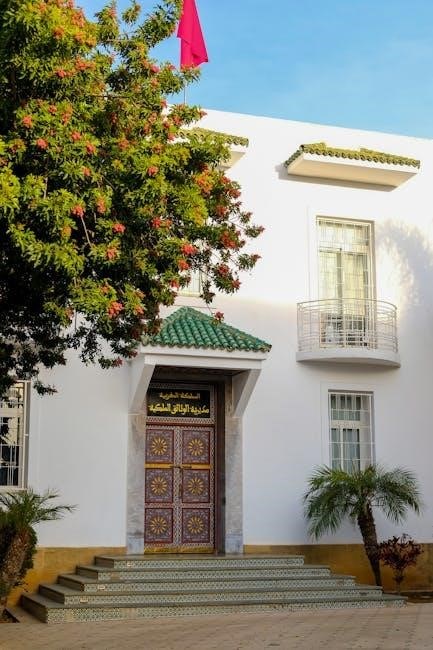
Iconic Roofs: A Global Showcase
Discover architectural gems like Sigiriya’s ruins, Wat Rong Khun’s intricate white design, and Hallgrímskirkja’s unique form—global masterpieces of roofing artistry.
Sigiriya, Sri Lanka: The Lion Rock Fortress Roof
Rising dramatically from the central plains of Sri Lanka, Sigiriya, also known as Lion Rock, presents a breathtaking example of ancient architectural ingenuity. This massive rock plateau isn’t simply a geological formation; it’s a meticulously crafted fortress, with its summit effectively serving as a royal palace ‘roof’. Visitors can explore the remnants of this palace, including a throne room and a beautifully preserved bathing pool.
Adding to the allure are numerous frescoes depicting vibrant and graceful women, showcasing the artistic prowess of the era. However, Sigiriya’s most iconic feature was a colossal stone lion, guarding the entrance to the palace – though today, only its paws remain, hinting at the grandeur of its past. The entire structure, and particularly the ‘roof’ atop the rock, embodies a harmonious blend of nature and human creation.
Wat Rong Khun (White Temple), Thailand: Intricate White Roofing
Wat Rong Khun, affectionately known as the White Temple, stands as a beacon of contemporary religious art and architectural brilliance in northern Thailand. Its dazzling white exterior, meticulously adorned with intricate details, immediately captivates the eye. The roofing, a key element of its aesthetic, is exceptionally ornate, featuring swirling designs and complex patterns that resemble celestial beings and mythical creatures.
Comparable to the Eiffel Tower’s significance to France, the temple’s unique construction and artistic vision are truly remarkable. The intricate white roofing isn’t merely a protective layer; it’s an integral part of the temple’s narrative, symbolizing purity and the path to enlightenment. It’s a testament to human creativity and devotion, making it a truly unforgettable sight;
The Church of Hallgrímskirkja, Iceland: A Unique Architectural Design
Hallgrímskirkja church in Reykjavik, Iceland, presents a strikingly unique architectural design, inspired by the country’s dramatic basalt lava formations. Its towering concrete facade and distinctive roof are instantly recognizable, dominating the city skyline. The roof’s design isn’t conventional; it’s a series of sweeping curves and angular lines that mimic the natural geological wonders of Iceland.
This architectural marvel isn’t just visually stunning; it’s a testament to innovative engineering and artistic vision. The church’s design is mind-blowing, and the roof plays a crucial role in its overall impact. It’s a symbol of Icelandic identity and a beacon of spiritual significance, attracting visitors from around the globe who marvel at its unconventional beauty.

Traditional Roof Styles & Their Beauty
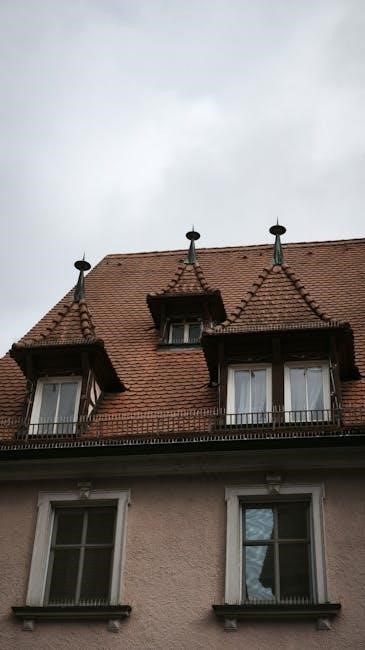
Classic gambrel, Dutch gable, and mansard roofs offer timeless elegance, optimizing space and reflecting historical influences – hallmarks of enduring architectural beauty.
Gambrel Roofs: Classic Appeal and Space Optimization
Gambrel roofs, instantly recognizable by their two slopes on each side, evoke a charming, barn-like aesthetic deeply rooted in Colonial and Dutch architectural traditions. This distinctive design isn’t merely about appearances; it’s a remarkably practical solution for maximizing usable space within the building’s structure.
The shallower lower slope and steeper upper slope create significantly more headroom in the attic or upper story compared to a traditional gable roof. This allows for the conversion of previously underutilized space into comfortable living areas or valuable storage.
Historically, gambrel roofs were popular in areas with harsh winters, as the steep upper slope efficiently shed snow. Today, their classic appeal continues to resonate with homeowners seeking a blend of functionality and timeless beauty, making them a frequently featured element in discussions about the most beautiful roofs worldwide.
Dutch Gable Roofs: Distinctive Step-Like Feature
Dutch Gable roofs present a captivating visual element – a small gable roof built on top of a larger hip roof. This creates a unique, step-like appearance that adds architectural interest and a touch of sophistication to any building. While offering aesthetic appeal, the Dutch Gable isn’t solely decorative; it cleverly incorporates a window into the upper gable section, providing natural light and ventilation to the attic space.
This design cleverly combines the structural stability of a hip roof with the added benefit of increased headroom and light within the upper level. The resulting form is both functional and visually striking, often seen adorning homes seeking a blend of classic charm and practical design.
Their distinctive silhouette frequently appears in discussions about beautiful roof designs, showcasing a harmonious balance between form and function.
Mansard Roofs: French Elegance and Maximized Space
Mansard roofs, instantly recognizable for their distinctive double slope, embody French elegance and architectural ingenuity. Characterized by a nearly vertical lower slope and a shallower upper slope, this design maximizes attic space, often transforming it into a fully habitable living area. Historically popular in Parisian architecture, the Mansard roof’s aesthetic appeal lies in its ability to create a grand and imposing silhouette.
Beyond aesthetics, the Mansard roof’s design provides significant practical benefits, offering increased interior volume without altering the building’s footprint. This space optimization makes it a favored choice for urban dwellings where maximizing usable area is crucial.
Its classic appeal frequently features in compilations of beautiful roof designs, representing a timeless architectural statement.
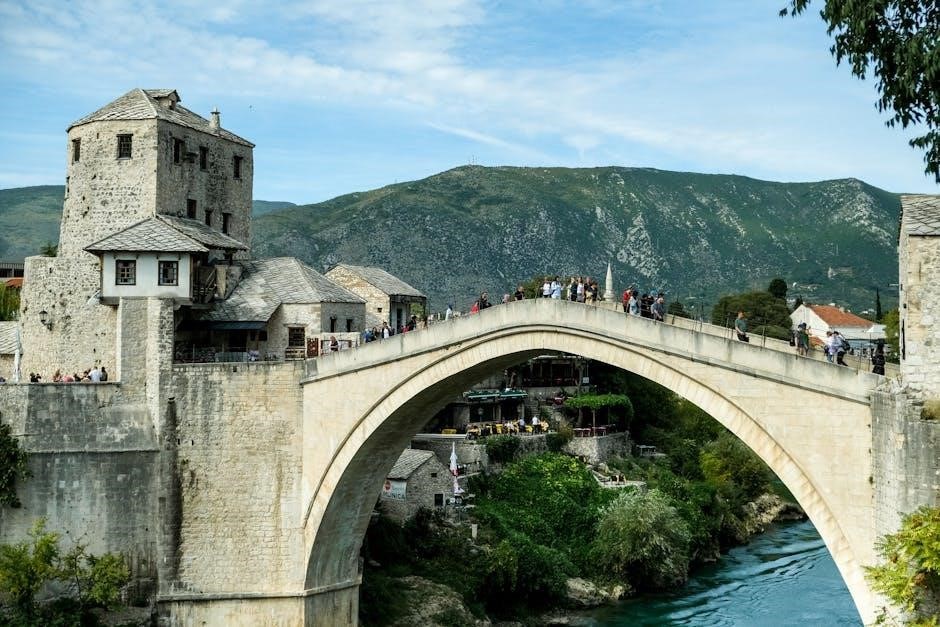
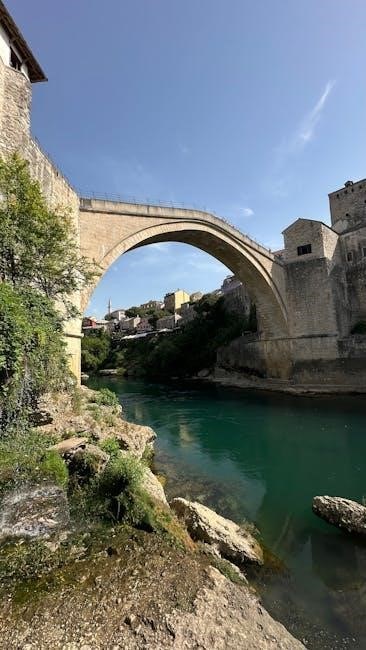
Modern & Innovative Roof Designs
Contemporary architecture showcases free-form, curved, and dome roofs, pushing engineering boundaries and offering stunning aesthetic appeal alongside structural advantages.
Free-Form Roofs: Pushing the Boundaries of Engineering
Free-form roof designs represent a significant leap in architectural innovation, moving beyond traditional geometric constraints. These roofs, often characterized by complex curves and asymmetrical shapes, demand advanced engineering solutions and construction techniques. They challenge conventional methods, requiring precise digital modeling, sophisticated material science, and collaborative efforts between architects and engineers.
The allure of free-form roofs lies in their ability to create visually striking and unique structures. They offer architects unparalleled freedom to express their artistic vision, resulting in buildings that stand out as landmarks. However, realizing these designs necessitates overcoming substantial technical hurdles, including ensuring structural integrity, managing material stresses, and achieving watertight performance. The crowning glory of these designs is their ability to redefine skylines globally.
Curved Roofs: Aesthetic Appeal and Structural Advantages
Curved roofs offer a harmonious blend of aesthetic elegance and practical engineering benefits. Their graceful arcs and flowing lines create a visually appealing silhouette, often evoking a sense of lightness and sophistication. Beyond aesthetics, curved designs inherently possess superior structural strength compared to flat or angular roofs.
The curvature distributes loads more evenly, reducing stress concentrations and enhancing resistance to wind and snow. This structural efficiency allows for the use of lighter materials, potentially lowering construction costs. Historically, domes represent a prime example, showcasing grandeur and resilience. Modern applications continue to explore innovative curved forms, optimizing both beauty and performance, creating iconic designs across the globe.
Dome Roofs: Historical Grandeur and Modern Applications
Dome roofs represent a timeless architectural form, steeped in historical significance and continuing to inspire modern design. From ancient Roman structures to Renaissance cathedrals, domes symbolize power, spirituality, and artistic achievement. Their self-supporting structure, achieved through precise geometry, allows for vast, open interior spaces without the need for internal columns.
Today, dome roofs are experiencing a resurgence in popularity, driven by advancements in materials and construction techniques. Modern applications range from planetariums and concert halls to residential homes and eco-friendly structures. These designs offer exceptional strength, energy efficiency, and unique aesthetic appeal, proving that the dome remains a relevant and captivating roofing solution for the 21st century.

Materials & Aesthetics
Slate, wood, and metal roofing materials dramatically influence a building’s beauty, offering diverse textures and colors—teal, orange, red, and green tiles are stunning.

Colored Tile Roofs: Teal, Orange, Red, and Green Patterns
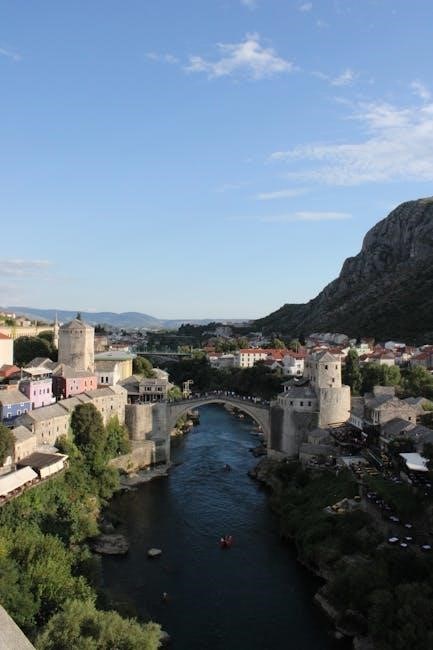
The visual impact of colored tile roofs is undeniably striking, transforming ordinary structures into vibrant landmarks. Specifically, the use of teal, orange, red, and green patterns creates a captivating aesthetic, reminiscent of intricate artwork adorning the rooftops. These hues aren’t simply applied randomly; they often form deliberate designs, incorporating floral motifs, religious symbols like crosses, or geometric patterns such as chevrons.
This approach to roofing isn’t merely decorative; it’s a cultural expression, deeply rooted in regional traditions and artistic sensibilities. The interplay of these bold colors adds depth and dimension to the roofline, catching the eye and inviting closer inspection. Such vibrant palettes are particularly prevalent in regions with strong artistic heritages, where roofs are viewed as canvases for creative expression, elevating the architectural landscape.
The Role of Materials in Roof Beauty (Slate, Wood, Metal)
The inherent qualities of roofing materials profoundly influence a building’s aesthetic appeal. Slate, with its natural cleft and subtle color variations, exudes timeless elegance and durability. Wood, particularly cedar or redwood, offers warmth and a rustic charm, blending harmoniously with natural surroundings. Metal, ranging from copper’s patina to steel’s sleek modernity, provides a contemporary and often dramatic visual statement.
Each material interacts uniquely with light and weather, evolving over time and adding character. Slate’s textured surface absorbs and reflects light, while wood develops a rich patina. Metal can showcase intricate detailing and bold forms. The choice of material isn’t solely about aesthetics; it’s about complementing the architectural style and creating a lasting impression of beauty and quality.
The Future of Roof Design
Sustainable materials and technological advancements are poised to redefine roofing aesthetics, blending environmental responsibility with innovative designs for enduring beauty.
Sustainable Roofing Materials and Aesthetics
The pursuit of beauty in roof design is increasingly intertwined with ecological responsibility. Future designs will prioritize materials with minimal environmental impact, moving beyond traditional options. This includes exploring recycled content, bio-based materials, and those with high solar reflectance to reduce heat island effects.
Aesthetics won’t be sacrificed; instead, sustainable materials offer unique textures and colors. Green roofs, incorporating vegetation, provide natural insulation and visual appeal, blurring the lines between architecture and landscape. Innovative tile options, utilizing recycled plastics or alternative compositions, can mimic the look of slate or wood while minimizing resource depletion.
The “most beautiful roof in the world” may soon be defined not just by its visual splendor, but by its contribution to a healthier planet, showcasing a harmonious blend of form and function.
Technological Advancements in Roof Construction
Cutting-edge technology is revolutionizing how roofs are designed and built, enabling increasingly complex and beautiful forms. Advanced modeling software allows architects to visualize and refine designs with unprecedented precision, pushing the boundaries of engineering. 3D printing offers the potential for creating custom roof components, reducing waste and enabling intricate detailing.
Drone technology facilitates roof inspections and maintenance, improving safety and efficiency. Smart roofing systems, incorporating sensors and data analytics, can monitor performance, detect leaks, and optimize energy efficiency. Lightweight materials, combined with innovative structural systems, allow for the creation of free-form and curved roofs that were previously impossible.
These advancements promise a future where “the most beautiful roof in the world” is not only visually stunning but also incredibly durable, efficient, and technologically advanced.
Finding Inspiration: “The Most Beautiful Roof in the World PDF” Resources
Discover architectural publications and online galleries for stunning roof designs; explore PDF guides compiling exceptional examples for design inspiration and detailed analysis.
Online Galleries and Architectural Publications
Delving into the digital realm unlocks a treasure trove of inspiration for roof design enthusiasts. Numerous online galleries showcase breathtaking architectural feats from around the globe, offering high-resolution images and detailed descriptions. Platforms dedicated to architecture, like ArchDaily and Dezeen, frequently feature articles highlighting innovative and aesthetically pleasing roof structures.
Furthermore, established architectural publications – both print and digital – provide in-depth analyses of notable roof designs. Journals such as “Architectural Record” and “The Architectural Review” often dedicate sections to roofing innovations and showcase award-winning projects. These resources not only present visual inspiration but also offer valuable insights into the engineering, materials, and cultural context behind each design, aiding in a comprehensive understanding of beautiful roofing worldwide.
PDF Guides and Design Compilations
Seeking a curated collection of exceptional roof designs? Numerous PDF guides and design compilations are available online, often compiled by roofing companies or architectural firms. These resources frequently showcase a diverse range of styles, from traditional gambrel roofs to cutting-edge free-form structures, providing a concentrated source of inspiration.
Central Roofing Company and Andes Roofing, among others, occasionally release downloadable guides featuring notable examples. Searching for terms like “architectural roofing design PDF” or “innovative roof designs compilation” yields relevant results. These PDFs often include detailed specifications, material palettes, and even cost estimations, offering practical insights alongside aesthetic inspiration for those planning or simply admiring the world’s most beautiful roofs.