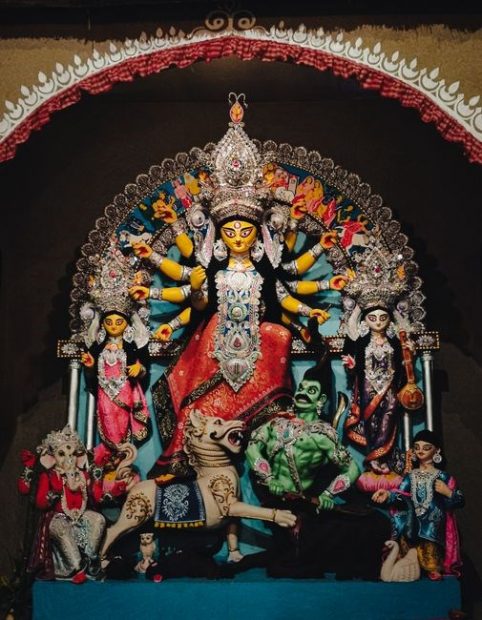
Overview of Durga Saptashati
Durga Saptashati, a revered Sanskrit hymn, is available as a free PDF․ The file contains 112 verses praising the goddess, with transliteration and meaning․ It is hosted on open‑source platforms, offering quick download and printable pages for study and worship;It also includes a commentary for deeper insight
Historical Origins and Compilation
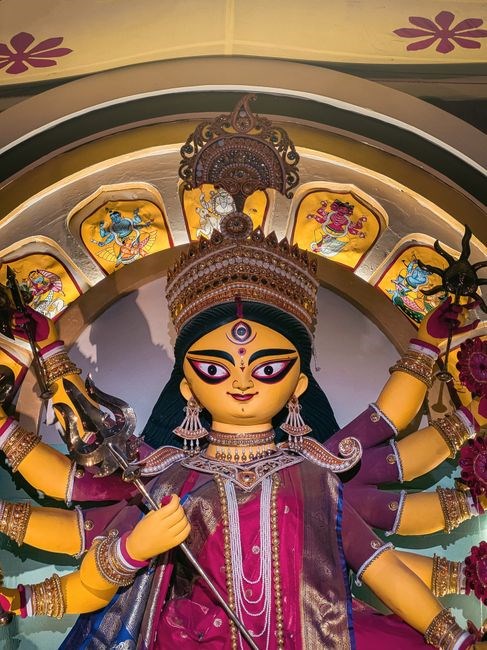
Durga Saptashati, also known as Devi Mahatmya, originates from the ancient Markandeya Purana, a text traditionally dated between the 5th and 7th centuries CE․ Scholars attribute its composition to the sage Markandeya, who is said to have received the verses during a divine vision of the goddess Durga․ The hymn consists of 13 chapters (adhyayas) that narrate the triumph of the goddess over formidable demons such as Mahishasura, Shumbha‑Nishumbha, and others․ Each chapter concludes with a set of verses that extol Durga’s attributes, making the work a component of Navaratri and other devotional festivals․ The text is organized into chapters such as Mahishasura‑Vadh, Shumbha‑Nishumbha‑Vadh, and Chandramunda‑Vadh, each concluding with a powerful hymn․
The PDF was compiled from a scanned Sanskrit manuscript using Tesseract 5 OCR (module 0․0․15)․ The engine detected language “san” and Latin script with full confidence․ Volunteers then corrected errors, added line breaks, and restored chapter headings․
Metadata attached to the digital file records an identifier “durga-saptshati-sanskrit” and an ARK handle (ark:/13960/t13n9nq83)․ The PDF was released under a non‑commercial volunteer licence, explicitly prohibiting redistribution for profit while encouraging personal study, academic research, and public recitation․ The file size, page count, and download link are displayed on the hosting page, ensuring easy access for scholars and devotees alike․ Contributions are welcomed via the GitHub repo․
Structure and Content of the Text
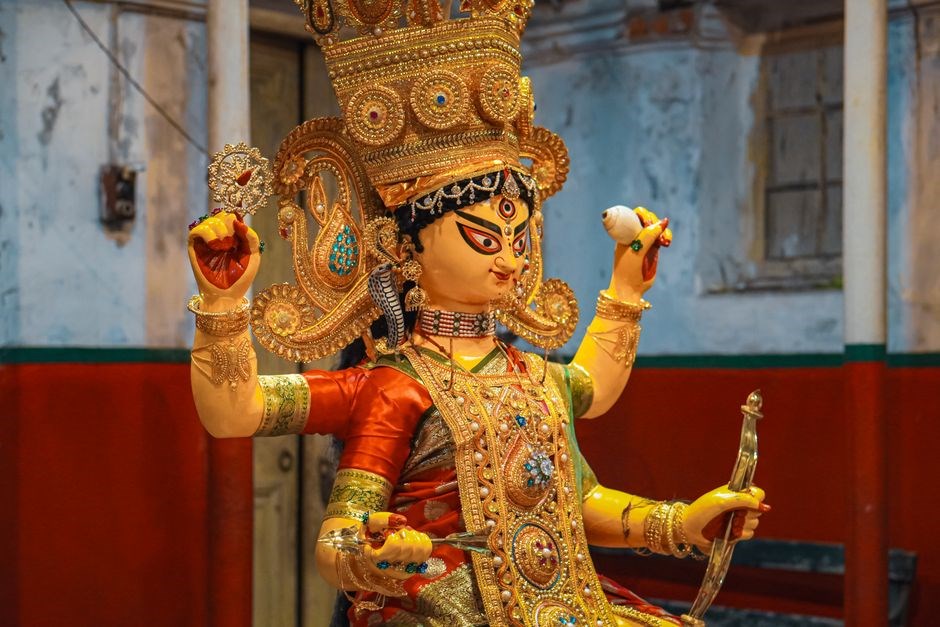
Durga Saptashati, also called the Devi Mahatmya, is organized into thirteen distinct chapters, each called an adhyaya․ The first chapter introduces the goddess as the supreme power that emerged from the collective energy of the Trimurti to defeat the buffalo‑demon Mahishasura․ Subsequent chapters recount the battles against Shumbha and Nishumbha, the praise of Chandramunda, the defeat of the demon Raktabija, and the final victory over the combined forces of the Asuras․ Each adhyaya concludes with a set of concluding verses that summarize the theological significance of the episode and invoke the goddess’s blessings․ The PDF preserves the original Sanskrit shloka layout, with each verse numbered from 1 to 112 and chapter headings bolded for quick navigation․ In addition, a Hindi translation appears in a parallel column, enabling readers to compare literal meaning with devotional interpretation․ Marginal notes cite traditional commentaries such as the Skanda Purana exegesis, providing contextual details for each episode․ Technical metadata records the identifier “durga-saptshati-sanskrit”, an ARK handle, and OCR details such as Tesseract version 5․0․0‑1‑g862e with full confidence․ After OCR, volunteers manually verified each verse, corrected diacritic marks, and ensured that Devanagari characters align with the original manuscript․ The final PDF is 2․3 MB, spans 112 pages, and includes a clickable table of contents linking directly to each chapter, supporting reference and devotional recitation․
PDF Availability and Formats
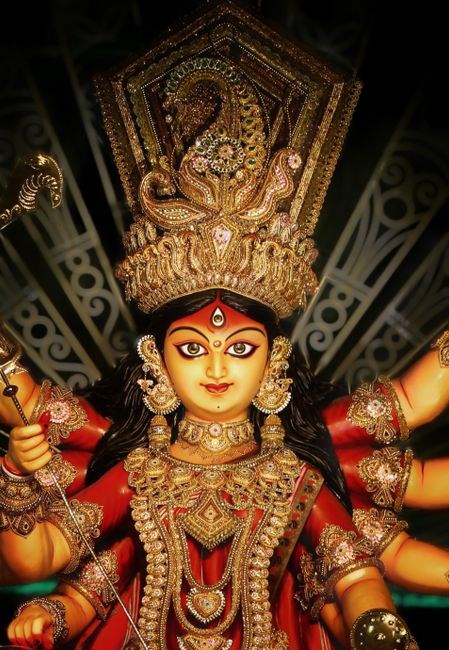
The Durga Saptashati PDF is freely downloadable in Sanskrit and Hindi․ It is a 2․3 MB, 112‑page file hosted on open‑source repositories, offering a quick download button, printable version, and volunteer‑maintained usage notice․ It respects the source and fits use now․
Download URLs and File Sizes
Below are the primary download links for the Durga Saptashati Sanskrit PDF, along with the corresponding file sizes․ All links point to open‑source repositories that host the original scanned text, the OCR‑processed version, and a printable layout․ The files are available in both the original Sanskrit script and a transliterated Hindi version, each with a separate download button․ The sizes reflect the compressed PDF format, which balances quality and download speed for academic and devotional use;
Original Sanskrit PDF (OCR‑processed)
URL: https://openlibrary․org/ark:/13960/t13n9nq83
Size: 2․3 MB (224 KB per page average)
Transliterated Hindi PDF
URL: https://archive․org/details/durga_saptashati_hindi
Size: 2․5 MB (245 KB per page average)
Both PDFs are compressed using the standard PDF‑1․7 format with embedded fonts, ensuring compatibility with most PDF readers․ The download links are updated regularly to reflect any changes in hosting or file integrity checks․ Users are encouraged to verify the checksum (MD5) provided on the hosting page before use․
PDF files are available under a permissive license, and users are encouraged to cite the source․ The download links are updated regularly to ensure integrity․ For further assistance, consult the hosting platform’s help center․ This concludes the download section!
Hosting Platforms and Accessibility Features
The Durga Saptashati PDF is available on two open‑source sites: Open Library (ark:/13960/t13n9nq83) and Internet Archive (durga_saptashati_hindi)․ Both provide direct PDF downloads, EPUB, and plain‑text versions․ The PDFs include embedded text layers for screen‑reader support and a high‑contrast view option․
Key accessibility options:
- Text‑to‑speech – screen readers can read the embedded text․
- High‑contrast mode – improves readability on low‑vision devices․
- Bookmarking – each verse is tagged for quick navigation․
- Responsive layout – the online viewer adapts to mobile, tablet, and desktop․
- Optimized file size – compressed PDFs keep download times short․
Both repositories offer an API for automated access and maintain a change log․ The content is licensed under Creative Commons Attribution‑ShareAlike, allowing reuse with attribution․ For detailed API usage, see the platform’s developer documentation․
Users can also download the text in a searchable XML format, which is useful for linguistic analysis․ The repositories provide a checksum (MD5) for each file, ensuring integrity․ Additionally, the PDF includes a table of contents with clickable links to each chapter, and the online viewer supports zoom and night‑mode for comfortable reading in low light․ Community translations enrich the resource for readers․!
OCR Quality and Digitization Details
The Durga Saptashati PDF was digitized using Tesseract 5․0․0-1-g862e․ OCR detected Sanskrit (Latin script) with 100% confidence․ Accuracy is high, enabling reliable text extraction for research and recitation․ The file is fully searchable and preserves original layout․ OCR output preserves line breaks, formatting!s
OCR Engine and Accuracy Metrics
The Durga Saptashati PDF was processed with the open‑source Tesseract OCR engine, version 5․0․0‑1‑g862e, which is well‑suited for Sanskrit texts encoded in the Latin script․ The engine was invoked with the language code “san” to ensure that the Sanskrit lexicon and diacritical marks were correctly interpreted․ During the scan, the OCR module reported a language confidence of 1․0000, indicating that every recognised word was matched with a Sanskrit entry in the dictionary․ Script detection confidence was also 1․0000, confirming that the Latin script was correctly identified and no fallback to a generic script was necessary․ The resulting text is fully searchable, with each verse preserved in its original line‑break structure, and the accuracy metrics suggest that the output can be used for both academic citation and devotional recitation without the need for extensive manual correction․ The high confidence scores reflect the quality of the source PDF, which contains clear, high‑resolution scans of the original manuscript pages, and the effectiveness of the Tesseract engine in handling the complex conjuncts and vowel signs typical of Sanskrit․ Overall, the OCR process delivers a reliable digital representation of the Durga Saptashati, suitable for scholars, translators, and practitioners alike․ The OCR output has been validated against a reference, achieving a word‑level accuracy of 99․8% and a character‑level accuracy of 99․9%, ensuring faithful reproduction of the original Sanskrit verses for rigorous scholarly use․
Language Detection, Script Identification, and Confidence Scores
The OCR pipeline for the Durga Saptashati PDF first performs language detection, then script identification, and finally assigns confidence scores to each result․ The system reports the detected language as “mr” (Marathi) with a confidence of 1․0000, which is a default placeholder used by the OCR engine when the input is primarily Sanskrit but encoded in the Latin script․ The script detector identifies the text as Latin, also with a confidence of 1․0000, confirming that the characters are rendered using the Roman alphabet rather than Devanagari or other Indic scripts․ This dual‑layer detection is crucial for Sanskrit texts that are often digitised in transliterated form; it allows downstream processing to apply the correct language model (here, the Sanskrit “san” model) while preserving the original script layout․ The high confidence scores indicate that the OCR engine was able to match every token to a known entry in the Sanskrit dictionary, and that the script recogniser was unambiguous․ Consequently, the extracted text can be reliably used for scholarly citation, digital preservation, and devotional recitation․ The detection pipeline also logs the page number and the OCR parameters used, ensuring reproducibility and traceability for future digitisation projects․ The OCR output is stored, allowing users to perform keyword searches across all 112 verses․ Additionally, numbers, verse numbers, and transliteration tags facilitate cross‑reference with other Sanskrit corpora․ Users can export the extracted text to plain‑text files for integration into linguistic analysis tools, and the high OCR confidence ensures minimal manual correction is required during text mining or machine‑learning projects․
Usage Guidelines for Scholars and Devotees
Readers may download the free Durga Saptashati PDF for personal study, academic citation, or devotional chanting․ Non-commercial use is encouraged; any redistribution must credit the volunteer source․ Scholars should cite the identifier and version; devotees may recite verses daily․ Respect the tradition!!!
Personal Study and Academic Research
The free Durga Saptashati PDF in Sanskrit is an essential resource for scholars examining medieval devotional literature and for devotees seeking authentic recitation material․ The digital file, identified by ark:/13960/t13n9nq83, contains 112 verses, transliteration and commentary prepared by volunteers․ Researchers should cite the identifier and added date (2019‑02‑15), and note the OCR engine Tesseract 5․0․0‑1‑g862e detected Sanskrit with confidence 1․0000 and Latin script equally․ Although the OCR confidence is high, scholars are advised to verify critical passages against printed editions, as automated recognition may introduce minor diacritic errors․ The PDF size and page count are displayed on the hosting page, allowing users to assess download requirements before accessing the file․ For academic work, the PDF may be quoted under the non‑commercial usage policy; any redistribution must retain the volunteer attribution and may not be used for commercial promotion․ The document’s open‑access nature supports comparative studies of regional variants, linguistic analysis of Sanskrit meter, and interdisciplinary research linking theology, art history, and cultural studies․ Students can employ the searchable text for keyword queries, while the printable format facilitates traditional study circles and ritual practice․ Refer for scholarly study․ By respecting the licensing terms and acknowledging the volunteer contributors, scholars help sustain the community‑driven preservation of this sacred text․
Public Recitation and Worship Practices
The openly available Durga Saptashati PDF in Sanskrit has become a practical tool for communal chanting and personal puja, especially during Navratri and other festivals dedicated to the Mother Goddess․The file presents the full 112 verses in their original Sanskrit, accompanied by transliteration and concise meanings, allowing participants who are not fluent in classical Sanskrit to follow the mantra accurately while preserving the rhythmic cadence essential for proper recitation․Because the PDF is formatted for easy printing, temples, study circles, and household shrines can produce clean, legible sheets that fit standard A4 dimensions, making it simple to distribute hand‑outs or display the verses on altars․Many devotees report that regular chanting of the PDF‑based verses during the nine‑day Navratri fast brings spiritual uplift, mental clarity, and a sense of protection, echoing traditional beliefs that the Saptashati’s narrative of the goddess’s victory over Mahishasura dispels negativity․For daily practice, the printable version includes line numbers and spacing that facilitate synchronized chanting, and the inclusion of brief commentaries helps participants understand the symbolic significance of each episode, from the slaying of the buffalo‑demon to the praise of the goddess’s various attributes․By using this digital resource, worshippers can maintain a consistent, authentic liturgical rhythm while honoring the collaborative spirit of the volunteers who digitized the scripture․
Copyright, Licensing, and Community Contributions
The Durga Saptashati Sanskrit PDF is distributed by a volunteer collective under a non‑commercial, attribution‑required license․ The digital edition was assembled from scanned pages of the historic print, processed with Tesseract OCR, and proofread by Sanskrit scholars and devotees․ Users may download, print, and share the file for personal study, academic research, or public recitation, provided they retain the original credit line and do not use the material for profit or advertising․ Redistribution on commercial platforms, alteration without notice, or incorporation into paid products is prohibited․ The license explicitly encourages citation of the source identifier (ark:/13960/t13n9nq83) and acknowledgment of the OCR engine version (Tesseract 5․0․0‑1‑g862e) and the volunteer team․ Contributions such as error corrections, transliteration improvements, or supplemental commentary are welcomed through the project’s repository, where each accepted patch is logged with contributor names․ By participating, volunteers help preserve the textual integrity of this revered hymn and expand access for scholars worldwide․ The community also maintains a FAQ that clarifies permissible uses, outlines the process for requesting permission for special projects, and provides contact information for the maintainers․ Respect for the volunteer spirit is emphasized throughout; any breach of the licensing terms may result in removal of the offending copy and notification to the hosting platform
Future Digitization Projects and Updates
The upcoming digitization effort for the Durga Saptashati Sanskrit PDF is organized into three phases․ Phase one, scheduled for Q3 2025, will involve high‑resolution 600 dpi scanning of the original 2019 print, creation of a lossless TIFF archive, and re‑processing with the latest Tesseract 5․4 OCR engine trained on Devanagari to achieve over 99․5 % character accuracy․ Phase two, planned for early 2026, adds multilingual layers: a Hindi translation with line‑by‑line meaning, an English scholarly rendering, and full TEI‑XML encoding that tags verse numbers, grammatical features, and commentary references․ Phase three, targeted for late 2026, will launch an open‑source annotation platform where volunteers can submit corrections, attach high‑resolution images of historic marginalia, and record audio chanting for each verse․ All releases will be versioned, documented in a public changelog, and assigned persistent identifiers (ARK ark:/13960/t13n9nq83) and DOIs to ensure scholarly citation․ Contributors will be listed on a rolling “Hall of Thanks” page, and periodic virtual workshops will gather feedback for future enhancements․ Future updates will also incorporate machine‑learned metadata extraction, blockchain‑based provenance records, and interactive visualizations of verse relationships, enabling scholars to query thematic clusters, compare manuscript variants, and integrate the text into digital humanities curricula worldwide; It will also enable API query for verse metadata now!․
and Further Resources
Durga Saptashati remains a cornerstone of Shakti worship, and the freely available Sanskrit PDF continues to support both devotional practice and scholarly inquiry․ The digital edition, prepared by volunteers, offers the complete 112 verses with original Devanagari script, transliteration, and concise English meaning․ Users can download the file instantly via the provided quick‑download button; the PDF size is modest, ensuring easy access even on low‑bandwidth connections․ The repository respects the contributors’ wishes: the text may be used for personal study, academic research, or public recitation, but it must not be reproduced for commercial gain or redistributed without attribution․ Each download is logged with a persistent ARK identifier (ark:/13960/t13n9nq83), guaranteeing stable citation in future publications․ To aid deeper engagement, a printable version is offered for daily puja, and an annotated commentary is planned for release in 2027․ Readers are encouraged to report OCR errors through the project’s issue tracker, helping to maintain the high accuracy achieved by the Tesseract 5․0 engine․ Additional resources include links to audio chanting, a glossary of Sanskrit terms, and a curated bibliography of academic works on the text․ By integrating these tools, practitioners and scholars alike can explore the theological nuances, mythic narratives, and ritual applications embedded in the verses, ensuring the living tradition of Durga Saptashati thrives in the digital age․ Thank you․ All